
abigailwollast
About abigailwollast
6 Reasons Why You Are Still An Amateur At Sell
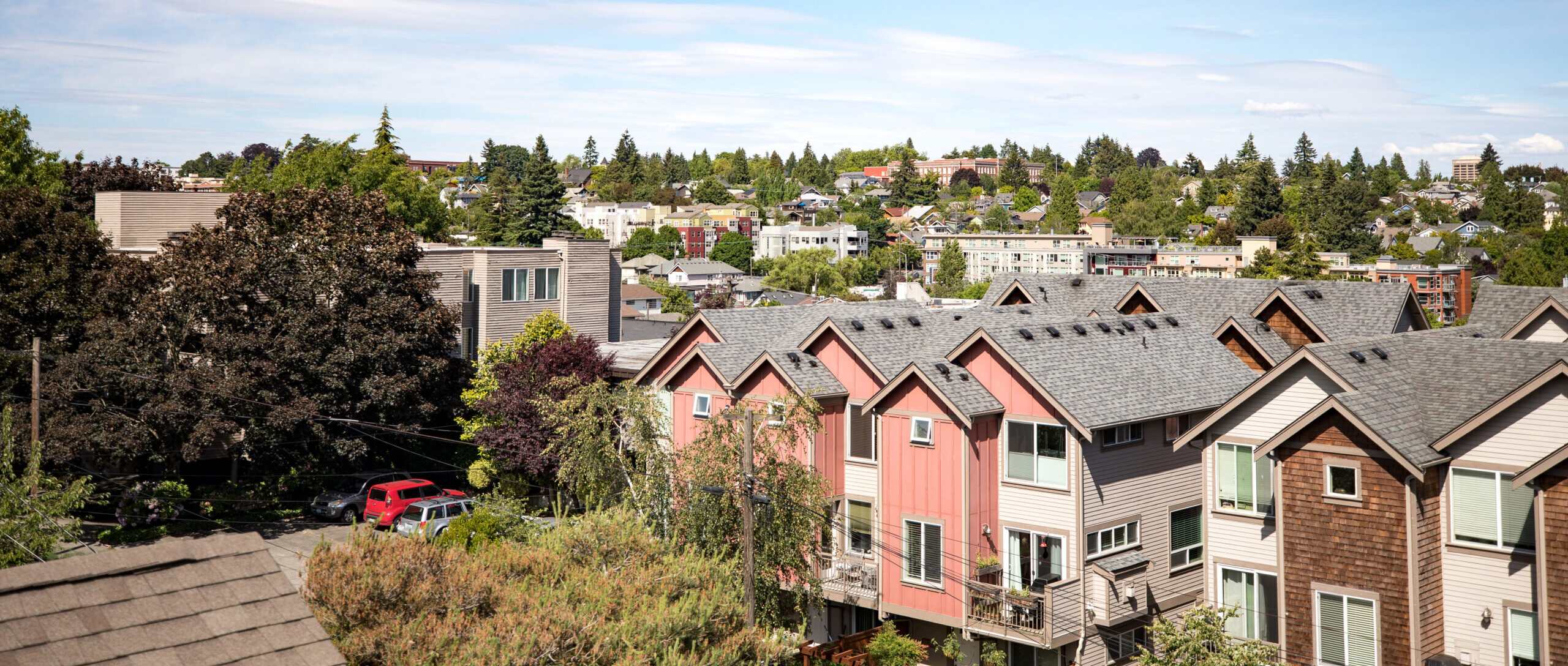 The real estate market does not move in one direction nationwide. It never has. What is happening in Austin is not what is happening in Cleveland. What is true for a three-bedroom in the suburbs of Dallas has almost nothing to do with a two-bedroom in San Francisco. Before you do anything else, narrow your focus to the specific market you are shopping in and stop reading national headlines as if they apply to you personally.
 The arithmetic here is brutal and worth understanding clearly. A buyer who financed a $400,000 home at three percent in 2021 pays roughly $1,686 per month on principal and interest. That same loan at a seven percent rate costs $2,661. The difference between those two payments explains why so many potential sellers are sitting tight. Volume collapsed. Prices mostly did not.
Here is what that creates for someone who is financially prepared and ready to move: a better chance of getting the house you want without losing a bidding war. The panic buyers are gone. The buyers who showed up with desperation instead of preparation have mostly sat back down. What remains is a more functional market, even if it is not a cheap one.
Shop multiple loan officers to compare rates and fees. A seemingly small rate difference adds up to real money that most buyers leave on the table by taking the first offer they receive. Lender fees vary too. Ask each lender for a Loan Estimate document, which breaks down all costs in a standardized format.
 If the report surfaces problems that go well beyond normal wear and tear, you have three options, not one, and walking away is a legitimate one of them. You can walk away if the scope of the problems makes the agreed price no longer reasonable. Signing off on a failing roof or a bad HVAC system is not the same house you made an offer on.
 Budget two to four percent of the purchase price for closing costs, on top of your down payment. First-time buyers often do not see the full closing cost picture until the Closing Disclosure arrives three days before settlement. Ask your lender for a Loan Estimate before you make any offers, so you can plan your cash position accurately.
 The timing question, whether to buy now or wait for rates to come down, is the one that trips up more buyers than any other single factor. The record on market timing for owner-occupied housing is not encouraging. The more useful question is not whether now is the right time in the abstract; it is whether the home works for your actual life for the next five to seven years.
Real estate rewards preparation more than it rewards timing. Waiting for a better market is a reasonable position only if your personal situation supports it, otherwise you are just paying rent while prices hold. Check up-to-date property listings and see whether what is available matches what you have been planning for.
No listing found.